
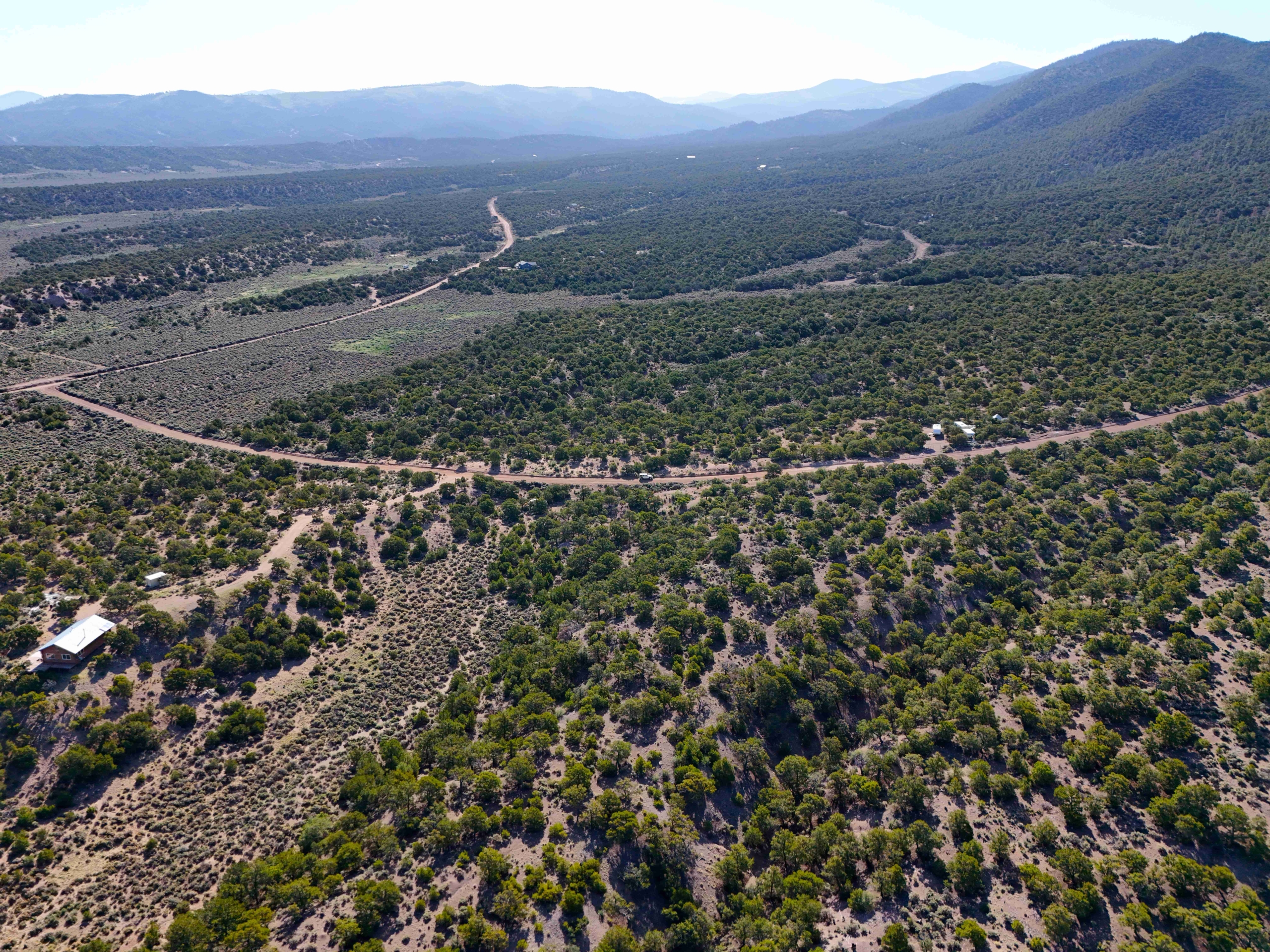
Costilla County in Southern Colorado is a beautiful place with vast open spaces and incredible nature. When you own land here, you become part of this amazing natural world, which includes a variety of wildlife. While it’s exciting to see animals like deer or elk, understanding all the creatures that share this space, and how to respectfully coexist with them, ensures everyone’s safety and enjoyment. At Open Skies Land, we want you to feel confident and safe enjoying your property. This guide will help you understand common wildlife in Costilla County and how to share the land peacefully.
Common Wildlife in Costilla County
Costilla County is home to a rich diversity of animals, from large, beautiful mammals to small, often unseen creatures. Understanding who lives where can help you appreciate their presence and prepare for safe interactions. The area includes high desert, grasslands, and forested mountainsides, each offering unique habitats for various species.
The landscapes here host iconic herbivores like Mule Deer and Elk, which are frequently seen grazing in open areas or moving through forested zones. They are generally shy and best observed from a respectful distance. Bighorn Sheep can also be spotted in the more rugged, mountainous terrains.
Among the larger predators, Black Bears inhabit the forested regions and can occasionally venture into open spaces, especially when seeking food. They are typically reclusive, but their presence underscores the importance of proper food storage. Mountain Lions, powerful and solitary hunters, prefer foothills, canyons, and mountainous areas with dense cover. They are rarely seen due to their elusive nature, but awareness of their habitat is key.
Smaller, yet equally significant, predators include adaptable Coyotes and various Foxes, which are common across the county’s varied habitats. These canids usually avoid human contact but demonstrate the dynamic balance of the ecosystem.
For the smaller inhabitants, drier, warmer areas are home to Rattlesnakes. These venomous snakes are not aggressive and will usually warn with a rattle before striking if they feel threatened. The county also teems with a wide array of bird species, including various raptors like hawks and eagles, and numerous small mammals such as rabbits, squirrels, and prairie dogs, all contributing to the vibrant natural world.
Safety and Coexistence Guidelines
While most wildlife encounters are harmless, understanding how to interact safely with all animals is crucial for responsible land ownership in Costilla County. For comprehensive, detailed information on wildlife safety in Colorado, the Colorado Parks and Wildlife (CPW) website is the authoritative resource. Below are summaries of their recommendations and general safety practices for common encounters:
For Black Bears, prevention is key. Colorado Parks and Wildlife (CPW) offers comprehensive guidelines on bear safety, emphasizing practices like proper food and trash storage. Key recommendations include: Always store food, trash, and anything with a strong scent (like pet food or toiletries) in bear-resistant containers or a locked vehicle. Never leave food scraps or trash unattended. If you encounter a bear, CPW advises making yourself appear large, making noise, and slowly back away. Never run. If a bear approaches aggressively, standing your ground and fighting back is recommended. For more in-depth information, visit the CPW website.
When in areas where Mountain Lions might be present, CPW provides crucial safety advice. They recommend hiking in groups and keeping children and pets close, as unattended individuals might be perceived as prey. If you encounter a mountain lion, CPW strongly advises against running. Instead, make yourself look as large as possible, make noise, and slowly back away. If it acts aggressively, throwing rocks or sticks and fighting back if attacked are important defensive actions. You can find detailed guidance on living with mountain lions on the CPW website.
To avoid issues with Rattlesnakes, CPW suggests vigilance in their habitats. Always watch where you are walking, especially when hiking or stepping over logs and rocks in grassy or rocky areas. Wearing sturdy, closed-toe shoes and long pants can offer some protection. If you see a rattlesnake, give it a wide berth and leave it alone. If bitten, CPW recommends staying calm, removing any tight clothing or jewelry near the bite, and seeking medical attention immediately.
Keeping Your Campsite and Property Safe
Whether you’re camping for a weekend or spending more time on your land, here are general tips to keep yourself and the wildlife safe:
- Secure your trash: Use sturdy, lidded trash cans or store trash in your vehicle until you can properly dispose of it to prevent attracting animals.
- Never feed wild animals: Providing food, even to small critters, can make them lose their natural fear of humans, leading them to become a nuisance or even dangerous.
- Keep pets on a leash: Pets can easily provoke or be harmed by wildlife, and leashing them protects both your pet and local animals.
- Be aware of your surroundings: Pay attention to animal tracks, droppings, or other signs of wildlife activity, which can indicate their presence.
- Educate yourself: The Colorado Parks and Wildlife (CPW) website is an excellent resource for detailed information on living with wildlife in Colorado.
Additional Information
Additional Information and Guidance can be found here:
- Colorado Parks and Wildlife (CPW): For general wildlife questions, concerns about aggressive animals, or injured wildlife.
- CPW Alamosa Office: (719) 587-6900
- CPW main website: https://cpw.state.co.us/
Owning land in Costilla County means embracing the natural beauty and all its inhabitants. By being prepared, respectful, and following these safety guidelines, you can safely enjoy your property and the incredible wildlife that calls this region home. At Open Skies Land, we encourage responsible land ownership that benefits both people and nature.